Bee or wasp identification
We confirm what you have before anyone reaches for a treatment. Bees and wasps require different handling.

Bee Swarm Help · Sydney wide
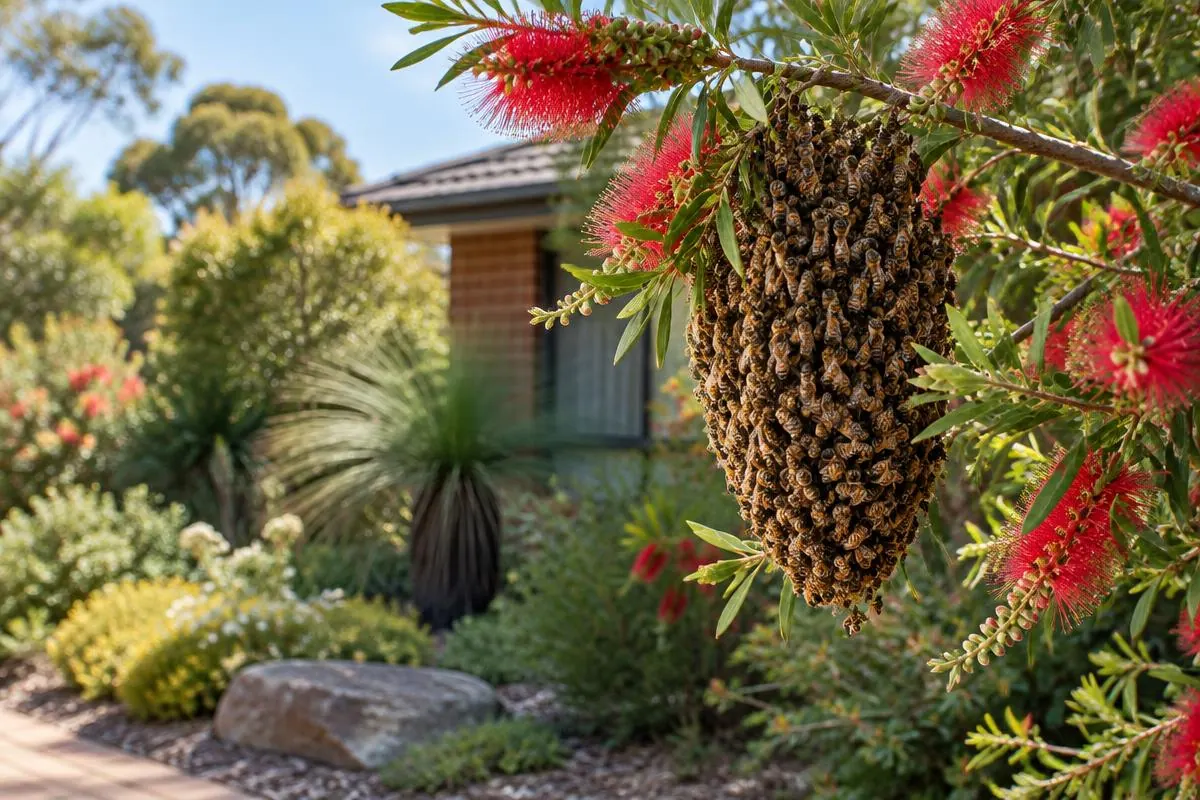
A cloud of bees or a new cluster on a branch can be alarming. We identify what is happening and prioritise safe relocation where it is practical.
No obligation · We explain the next step clearly
Licensed
Fully insured
Response
Same day where possible
Pricing
Agreed upfront
Service area
Sydney wide
The short answer
Bee swarm help identifies whether you have bees or wasps and arranges relocation where practical. We cover all of Sydney 24/7. Each visit covers bee or wasp identification, swarm risk assessment and relocation coordination. Call 0494 527 527 or request a free quote online to book.
Check the warning signs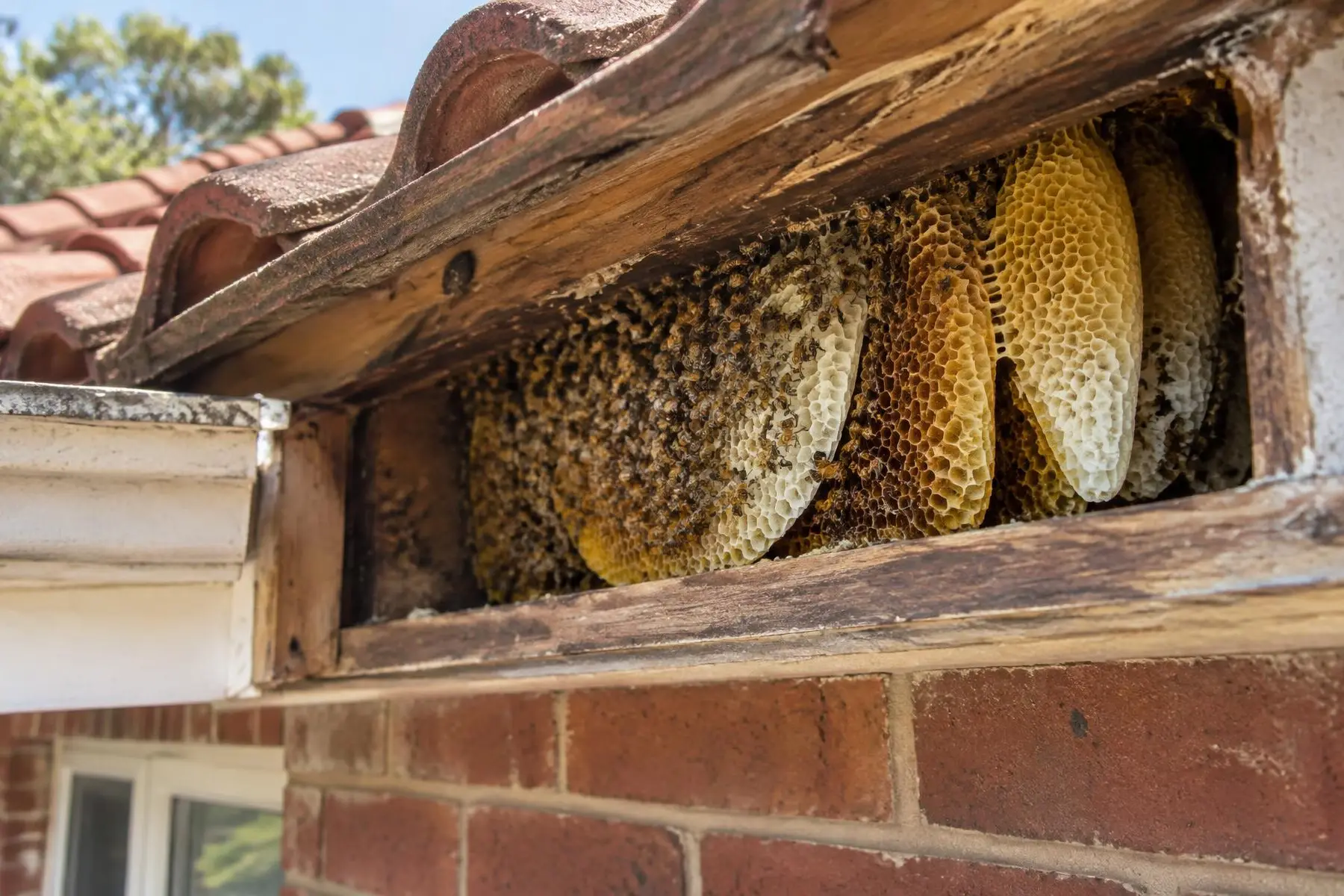
It is rarely just one
A resting honeybee swarm may move on by itself within a day or two if it is in a safe spot. Established activity entering a wall or roof needs a different assessment.
Honeybees are valuable pollinators. Relocation by a registered beekeeper is preferred where access and colony health make it feasible. We do not treat bees as if they were wasps.
Common signs

Know the problem
We identify the pest, find where it is living and choose the treatment that suits your property.
We confirm what you have before anyone reaches for a treatment. Bees and wasps require different handling.
We look at location, public access, pets, nearby allergies and whether the swarm is resting or established.
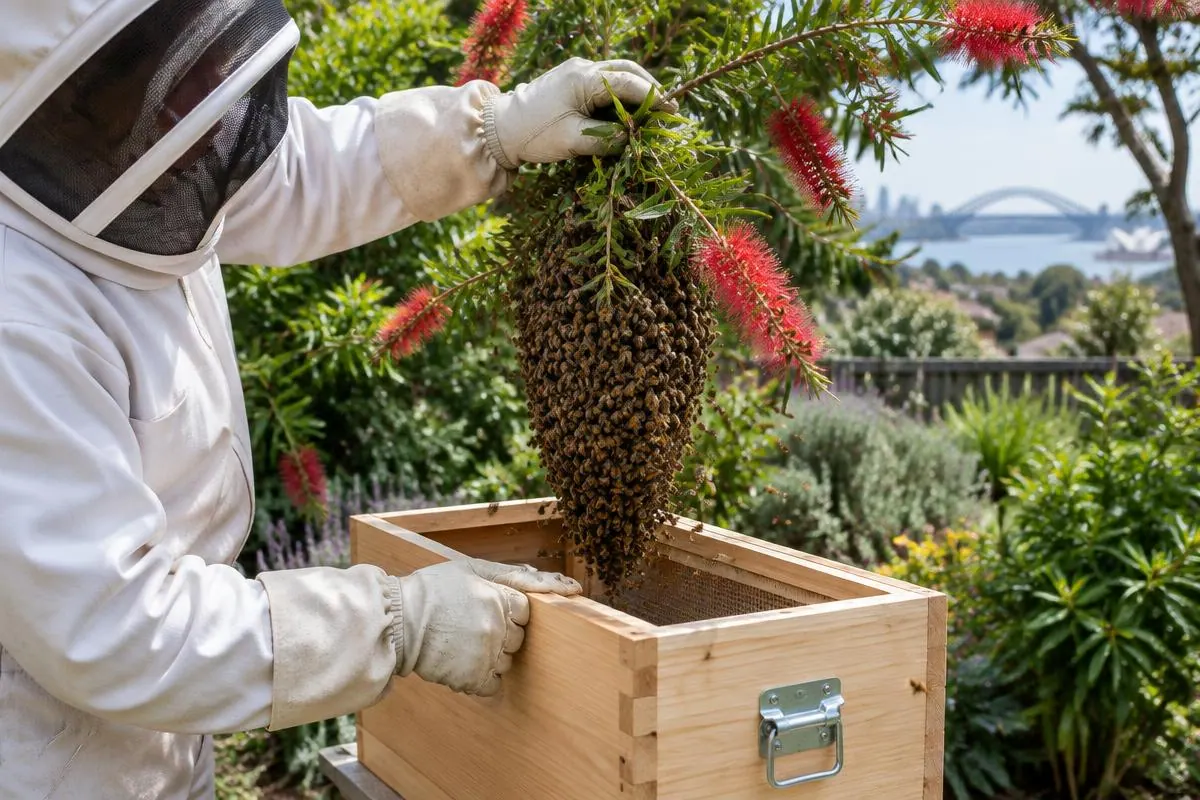
Where practical, a registered beekeeper can collect and relocate a healthy, accessible honeybee swarm or colony.
For established wall or roof activity, we explain access, comb removal and proofing considerations before work proceeds.
Our process
We do not just spray and leave. We find the source, treat it properly and help stop it coming back.
From a distance, show us the insects and location. We identify bees versus wasps and assess urgency.
A resting swarm may be monitored. An accessible colony may be referred or coordinated for relocation.
Where feasible, the bees are collected safely and suitable entry points are addressed after the cavity is clear.
Straight answers
Often, yes. A swarm resting on a branch may move on within a day or two. Keep your distance and get advice if it is near a doorway, school, public area or anyone with a serious allergy.
Often they can, especially when a swarm is accessible and healthy. Relocation depends on access and colony condition and should be handled by a registered beekeeper.
Honeybees are generally hairier and gather in dense swarms. European wasps have smooth bright yellow and black bodies and can sting repeatedly. Identification comes before treatment.
Keep well away from the bees. If a sting causes breathing difficulty, throat or tongue swelling, collapse or other signs of anaphylaxis, use an adrenaline injector if available and call 000 immediately.

Sydney wide · 24/7 call-outs
Sydney wide · Licensed & insured · Residential & commercial
Last reviewed by the Correct Termite and Pest Solutions team.